In 50 words: Philippines has an estimated 178 GW offshore wind technical potential — one of Asia's highest. The first offshore wind auction in 2024 awarded 8 service contracts totaling 19 GW. First commercial offshore commissioning expected 2027-2028. Triconch Wind, Copenhagen Infrastructure Partners, Vena Energy among awarded developers.
The opportunity
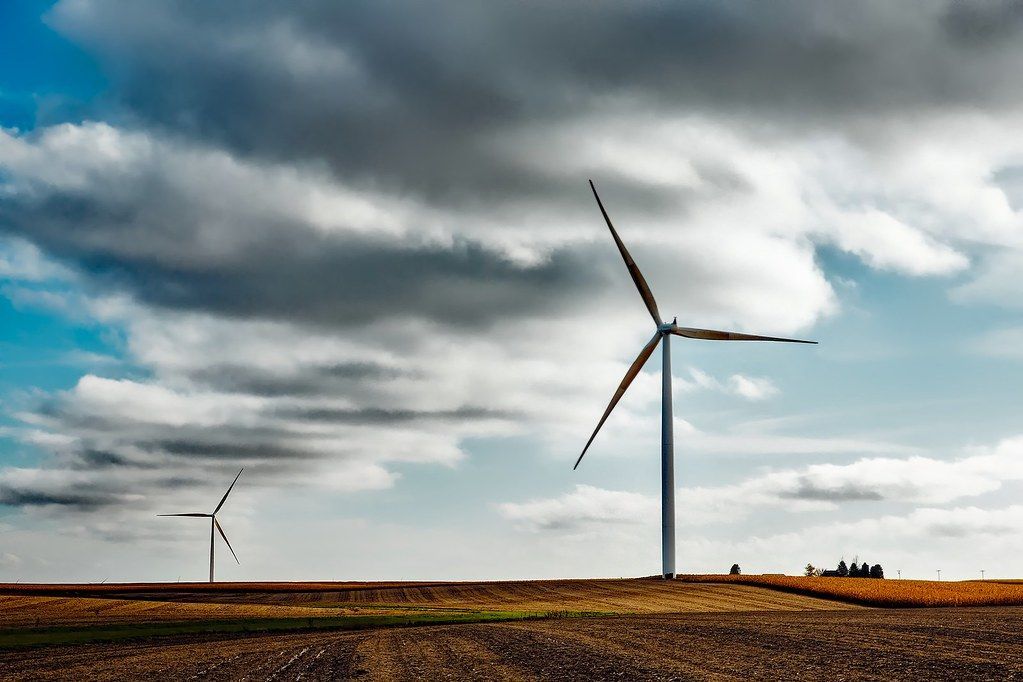
Philippines' wind resource is exceptional:
- Strong + consistent winds along multiple coastlines
- Capacity factors 50%+ in best sites
- Limited onshore wind sites (mountainous terrain) — offshore is the path forward
World Bank ESMAP study (2022): Philippines has 178 GW technical offshore wind potential.
Current renewable position
Philippines installed renewable capacity Q1 2026:
- Solar PV: 3.5 GW
- Onshore wind: 1.5 GW
- Geothermal: 2 GW (Philippines is geothermal pioneer)
- Hydro: 4 GW
- Biomass: 600 MW
- Total: ~12 GW renewable
Philippines energy mix still ~55% fossil (coal + gas).
First offshore wind tender (2024)
Department of Energy conducted the first competitive offshore wind tender in 2024:
- 8 service contracts awarded
- Total committed capacity: 19 GW
- Multiple sites along eastern + western coastlines
- 30-year service contract duration
Awarded developers
The 2024 award winners:
- Triconch Wind Energy (Triconch / Mainstream)
- Copenhagen Infrastructure Partners (Danish)
- Vena Energy (Asian)
- Aboitiz Power (Philippine)
- Trans-Asia Renewable Energy (Philippine + Asian)
- Vena Energy + Acen (joint)
- Two additional consortiums
International developers contributing technical + financial capacity; local partners contributing market knowledge + Philippine regulatory navigation.
Major project pipeline
Most advanced projects:
- Northwest Luzon offshore wind (multiple sites): 4+ GW
- Northern Mindoro: 500+ MW
- Eastern Visayas: 1+ GW
- Various smaller pilot sites
First commercial offshore wind operations targeting 2027-2028 commissioning.
Floating offshore wind
Philippines waters are largely deep — fixed-bottom turbines feasible only on limited continental shelf areas. Floating offshore wind is essential for the larger opportunity:
- 80% of Philippines offshore wind potential requires floating turbines
- Several awarded service contracts targeting floating projects
- Asian floating offshore wind technology (Mingyang, others) gaining position
Grid infrastructure challenge
Philippines grid (Visayas, Mindanao, Luzon islands separately connected) requires:
- HVDC interconnections between islands
- Onshore transmission to load centres
- Substation upgrades
- Investment estimated $5-10 billion through 2030
Policy framework
Philippines Renewable Energy Act (2008) provides foundational framework. Updates supporting offshore wind:
- Streamlined offshore wind permitting (2022-2023)
- Foreign ownership clarification (allowing 100% foreign ownership of renewable assets)
- Tax incentives
- Net-metering for distributed generation
Industrial decarbonisation context
Philippines economy heavy on:
- Business process outsourcing (electricity demand growing)
- Mining (nickel, copper — both with green hydrogen + steel decarbonisation tie-ins)
- Manufacturing (electronics assembly)
- Tourism
All industries facing decarbonisation pressure from international buyers.
What developers should know
For wind + EPC + supply chain companies targeting Philippines:
- Strong opportunity in next-decade offshore build-out
- Local partnership recommended (regulatory navigation)
- Multiple grid + port infrastructure constraints to plan around
- Strong long-term offtake from utility (NGCP, MERALCO) + industrial customers
- Foreign currency PPA structures available
What to watch next
The first commercial offshore wind project to reach financial close in Philippines (likely Copenhagen Infrastructure Partners or Triconch project, expected 2026-2027) will reveal whether project finance economics actually work for Asian offshore wind in a developing market. If yes, accelerates next wave of investment.
Sources
Researched and drafted by the Earth Energy Log Editorial Desk with AI assistance. Reviewed by Pruthvi A. before publication.
How we work: Editorial standards · AI disclosure · Report an error